RECYCLING magazine
  • Subscribe
  • Log in
    • en
    • de
  • Markets & Industries
  • Politics & Law
  • Science & Technology
  • Magazine

Science & Technology

We report on new processing methods, innovative sorting technologies, developments in mechanical engineering, and chemical and mechanical recycling. Topics such as digitalization, automation, AI-supported sorting, and the recyclability of new materials are also covered on an ongoing basis.
  • Science22 Apr 26

    Transformation or alibi for progress?

    Actually, everyone can agree on a circular economy, but it still doesn't really want to work. Yannik Gehlen from TU Darmstadt argues in his essay "Between System Change and Self-Deception: Four Theses on the Ambivalence of the Circular Economy" that a "cultural change of perspective" is the basis for the success of the circular economy.

  • Market22 Apr 26

    AI, climate and new jobs

    Digitalisation, artificial intelligence and the ongoing transition to a climate-neutral economy are changing business models, production processes and job profiles worldwide. The World Economic Forum's "Future of Jobs" report shows just how much the labour market is set to change by 2030.

  • Science22 Apr 26

    Recycling needs strong ecosystems

    Recycling has long been more than just waste recycling. With increasingly strict regulatory requirements, growing recyclate quotas and the pressure to decarbonise, the role of the industry is changing fundamentally. What is needed is not only efficient processes, but also the ability to build and control functioning circular ecosystems. The study "A dynamic capabilities framework for building circular ecosystems by focal firms" conducted by Spanish and Brazilian researchers shows which strategic competencies companies need in order to do so and why recycling companies in particular can play a key role in the process.

25 March 2026

  • Science25 Mar 26

    Physics instead of chemistry

    E-waste is one of the most recyclable, but at the same time technically most demanding waste streams worldwide. In view of rising raw material prices, growing quantities and stricter environmental require-ments, classic, chemical-intensive recycling processes are coming under increasing pressure. Reagent-free technologies based on physical separation principles promise higher energy efficiency, lower emissions and new ways in urban raw material extraction. The study "Review of Reagent-Free Electronic Waste Recycling: Technology, Energy, Materials and Spatial Effects" by scientists from Kazakhstan and Croatia analyzes the state of the art and evaluates industrial perspectives. The study was published in "Recycling".

  • Market25 Mar 26

    Save resources, secure value creation

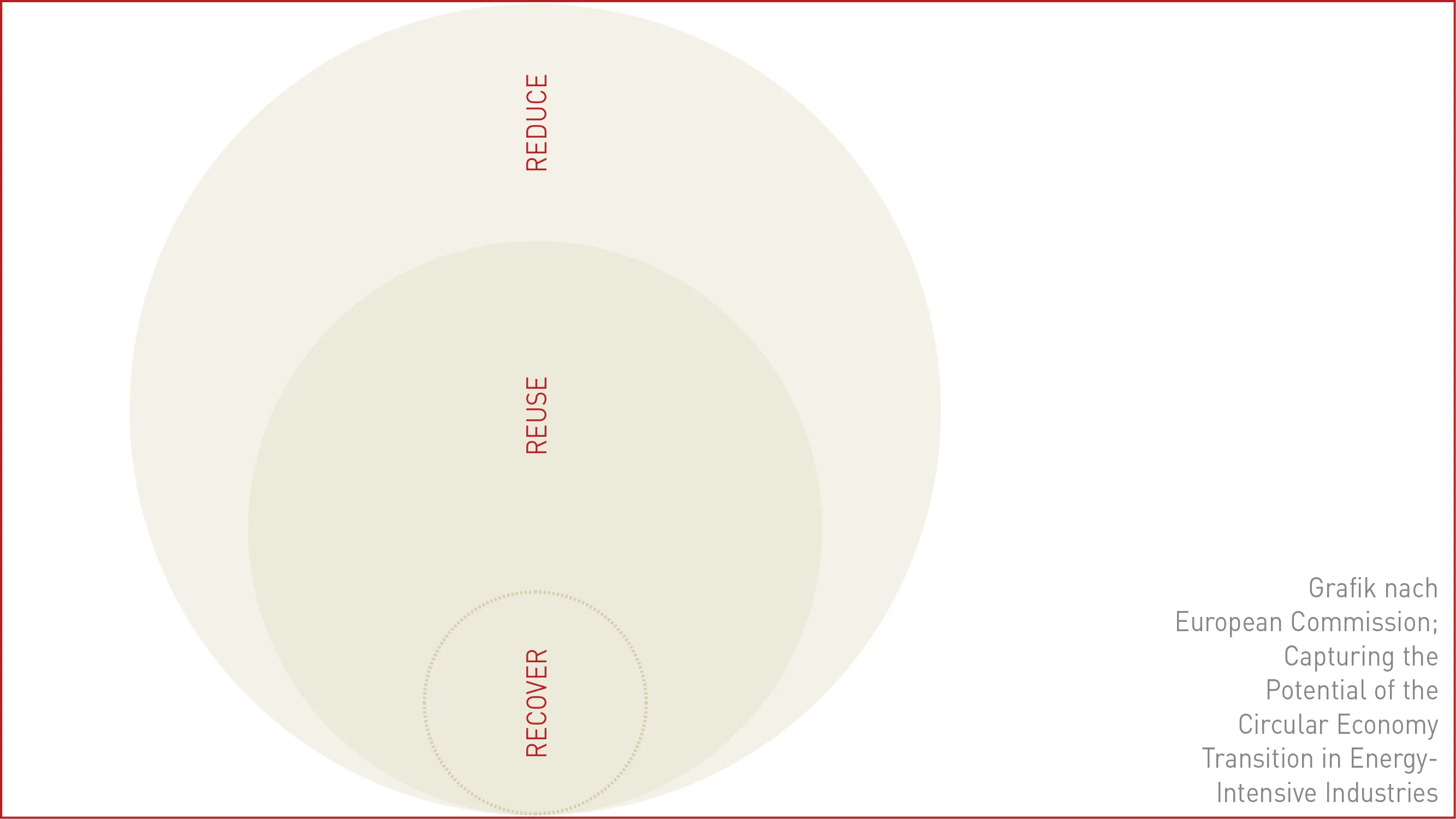
    The transformation to a climate-neutral industry is increasing the pressure on energy-intensive sectors such as steel, aluminum, cement and plastics. At the same time, the importance of the circular economy is increasing as it reduces emissions, reduces resource dependencies and strengthens economic resilience. The JRC study "Capturing the Potential of the Circular Economy Transition in Energy-Intensive Industries" shows what additional decarbonisation potential can be unlocked through circular measures and what political framework conditions are necessary for this.

15 February 2026

  • Plastics15 Feb 26

    Microplastics as a risk and resource

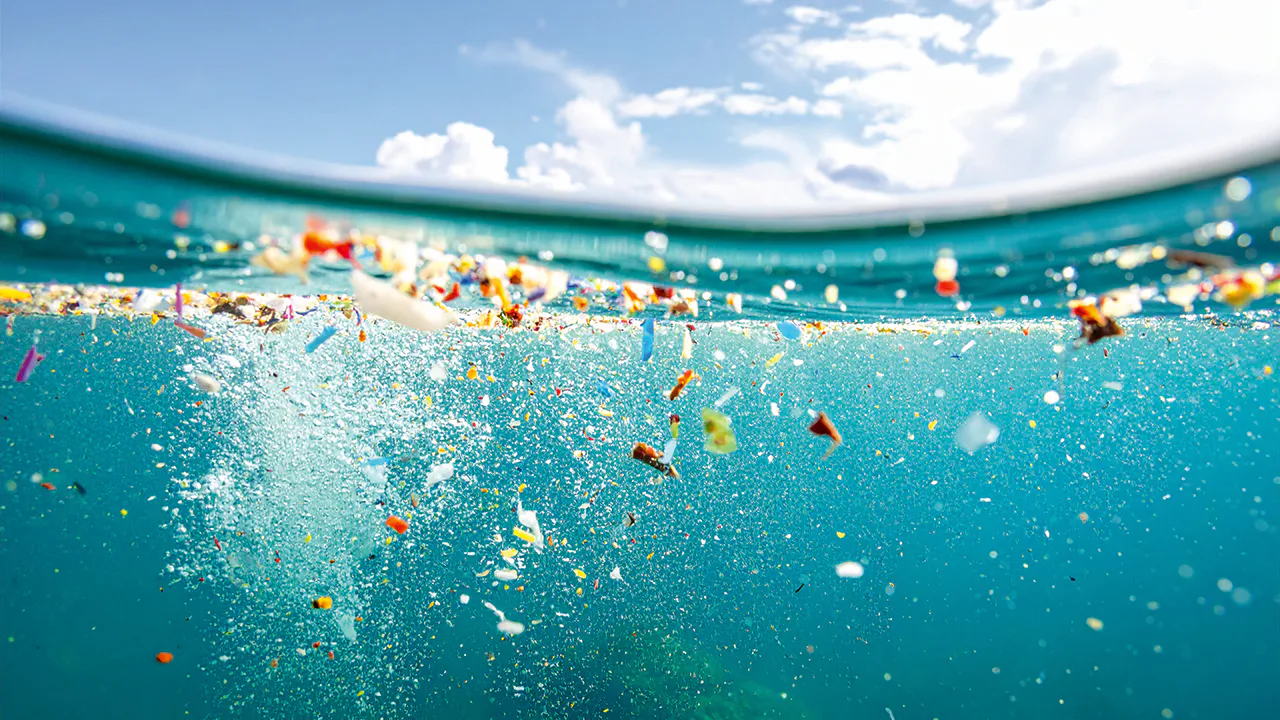
    Plastics are essential materials in everyday modern life, but their durability and versatility lead to considerable stress for both the ecology and human health. Through physical, chemical and biological processes, they break down into micro- and nanoparticles that can be detected in soils, waters and the atmosphere. At the same time, there is increasing evidence of toxicological effects such as inflammatory reactions, oxidative stress and endocrine disruptions, while the long-term health consequences remain largely unclear. Against this background, strategies to reduce plastic input, develop standardised detection methods and promote sustainable recycling and upcycling technologies are of essential importance. The study "From Harm to Hope: Tackling Microplastics' Perils with Recycling Innovation" conducted by Italian scientists provides an overview of the formation, detection and health relevance of microplastics as well as current approaches to the circular economy. The study was published in the journal "Molecules".

15 January 2026

  • Biomass15 Jan 26

    From food waste to bioplastics

    Food loss and waste is a major sustainability problem as it consumes resources and causes environmental pollution. At the same time, the plastics industry is looking for alternatives to petroleum-based plastics.

15 December 2025

  • Climate proctection15 Dec 25

    Climate neutrality needs a circular economy

    Europe is in the midst of a profound transformation, which is characterized by the le-gally enshrined path to climate neutrality. The current report "Trends and Projections in Europe 2025" by the European Environment Agency (EEA) shows significant pro-gress, but also critical gaps that require a rapid change of course.

  • Science & Technology15 Dec 25

    Where could the journey go?

    What does a circular world look like in 2050? There are many different ideas about this. In the article "Degrowth or barbarism? An exploration of four circular futures of 2050" in "Frontiers in Sustainability" deals with the question of how society could develop in four different scenarios.

  • Climate proctection15 Dec 25

    The gap remains too large

    Ten years ago, the Paris Climate Agreement was adopted. As every year, UN Environment has examined the progress made towards achieving the goals agreed there. As the "Emissions Gap Report 2025" clearly shows, the development is going in the right direction, but far too slowly.

  • Climate proctection15 Dec 25

    Competitive advantages through circularity

    For years, the discussion about climate protection has been accompanied by the question of how economic growth and ecological sustainability can be reconciled. While some perspectives see these two goals as opposites, it is increasingly evident that ambitious climate policy opens up economic opportunities. The circular economy plays a decisive role in this. The study "The economic benefits of climate action - How decarbonization can enhance competitiveness and growth" by Deloitte and KfW provides an empirical basis for this and shows that wie stark kreislaufwirtschaftliche Ansätze zur Wettbewerbsfähigkeit beitragen können.

15 November 2025

  • Technology15 Nov 25

    Creating data streams from waste streams

    Population growth, urbanisation and industrialisation have led to a sharp increase in waste volumes worldwide. Conventional systems with collection routes, manual sorting and landfilling are inefficient, cost-intensive and ecologically problematic. What is needed is a shift to more sustainable, technology-based approaches. Digital technologies such as artificial intelligence (AI) and the Internet of Things (IoT) enable the use of real-time data, intelligent route planning, automated sorting and better traceability. These factors can improve efficiency and resource use and reduce ecological pollution. The study "Revolutionising urban solid waste management with AI and IoT: a review of smart solutions for waste collection, sorting and recycling" by a Saudi Arabian researcher sheds light on the status of such solutions, their potential and limits, as well as framework conditions for sustainable waste management. The study was published in the journal "Results in Engineering".

  • Technology15 Nov 25

    Controlling dust in materials recycling

    As the drive to improve recycling efficiency intensifies, more and more attention is being paid to keeping dust within the process flow. And controlling particulates is not only good for workplace health and compliance, it's better for productivity and the bottom line, too.

  • Science15 Nov 25

    Plastic eaters at work

    Since the 1950s, global plastic production has grown rapidly and now reached several billion tonnes overall. The majority of these plastics are still being landfilled, incinerated or released into the environment in an uncontrolled manner after a short period of use, while only a small proportion is recycled. To counteract these developments, the idea of a circular economy for plastics is gaining in importance. In addition to mechanical and chemical processes, biocatalytic approaches are increasingly coming into focus. Enzymes offer the potential to break down certain types of plastic into their monomers under mild conditions, thus creating high-quality recyclates. The public perception of "plasticeating bacteria" illustrates the fascination for this technology, but also carries the risk of inflated expectations. Prof. Wolfgang Zimmermann, professor emeritus at the Institute of Analytical Chemistry at the University of Leipzig, has carried out an analysis in his report "Biocatalytic recycling of plastics: facts and fiction" in order to realistically classify the opportunities and limits of biocatalytic recycling. The report was published in "Chemical Science".

15 October 2025

  • Politics15 Oct 25

    Making circularity measurable

    Metals and minerals form the basis of modern societies and are indispensable for tackling global challenges such as climate change, urbanization and technological transformation. And the demand for strategic metals is growing dynamically.

27 September 2025

  • Plastics27 Sep 25

    New ways in plastics recycling

    Plastics are one of the most widely used materials. Their versatility and durability make them an integral part of many industries. However, these properties also pose a serious environmental problem. The European Patent Office (EPO) has examined the development of innovation in plastic waste management over a period of five decades on the basis of international patent families (IPFs). It shows that innovations in plastic waste management are increasing significantly and are showing remarkable momentum compared to other technology areas.

15 September 2025

  • Plastics15 Sep 25

    Innovations for circular plastics

    The recycling of plastics is a key factor in the transformation to a sustainable circular economy. In the article "A systematic review of plastic recycling: technology, environmental impact and economic evaluation", Chinese scientists provide an overview of the technological advances of the last ten years, assess the environmental impacts on the basis of current life cycle analyses and examine the economic viability of various recycling methods. The article was published in "Waste Management & Research".

  • Plastics15 Sep 25

    Recycling or energy generation?

    With the Green Deal, the EU is aiming for a significant increase in the plastic recycling rate, but currently only about 27 percent of waste is actually recycled. In addition to mechanical recycling, the focus is on physical and chemical processes, the environmental and cost effects of which have so far been little researched. The study "Environmental and economic assessment of plastic waste recycling and energy recovery pathways in the EU" by Spanish and Italian scientists compares the most important recycling routes on the basis of European primary data and provides decision-making aids for politics and business. The study was published in "Resources, Conservation & Recycling".

  • Subscribe
  • Newsletter
  • Contact

Legal Informations

  • Legal notice
  • Privacy policy
  • Terms and conditions
  • Cancellation

RECYCLING magazine

  • Our Team
  • About us
  • Newsletter
  • FAQs

Quicklinks

  • Subscriptions
  • Mediakit
  • Events

RECYCLING magazine provides independent, deeply investigated information about all aspects of secondary raw materials.
The magazine has a long track record, it has a history of more than 70 years. The following terms and conditions apply to the use of this website: Terms and Conditions, Privacy Policy and Cookie Policy.